In this rapidly shifting professional climate, understanding and effectively leveraging alternative credentials like skills certifications, microcredentials, and certificates is no longer just an added advantage – it's an essential step to stay ahead of the curve. Aspiring students and professionals are finding that traditional degrees alone may not meet the changing requirements of today's industries.
Recent data and research highlight the value and impact of alternative credentials in enhancing career prospects and staying competitive, as employers similarly recognize the added value of employees holding alternative credentials to boost their skills. However, navigating the landscape of alternative credentials can be daunting. It's become crucial for learners to understand the key differences between these alternative credentials, as each type serves a distinct purpose and bears different levels of relevance that align with a learner's academic and professional journey.
Skills Certifications: How to Validate Specific Competencies
Skills certifications play a crucial role in validating an individual’s mastery of a specific set of competencies in a particular field. Industry-recognized certifications are validated by a corporation or industry organization rather than a postsecondary institution, thereby ensuring clear industry alignment in technical skills. These certifications are often given upon completion of a training program or coursework and are usually validated by an exam or assessment. The certification indicates to employers that an individual has met a recognized standard of knowledge, is tangible proof of expertise, and is often sought after by employers seeking highly skilled professionals. Extensive research shows that employers increasingly value these credentials when assessing candidates' skill sets. According to a survey of nearly 8,000 IT decision-makers and professionals worldwide, 72% of organizations now view formal training as an important strategy to close the current workforce skills gap.
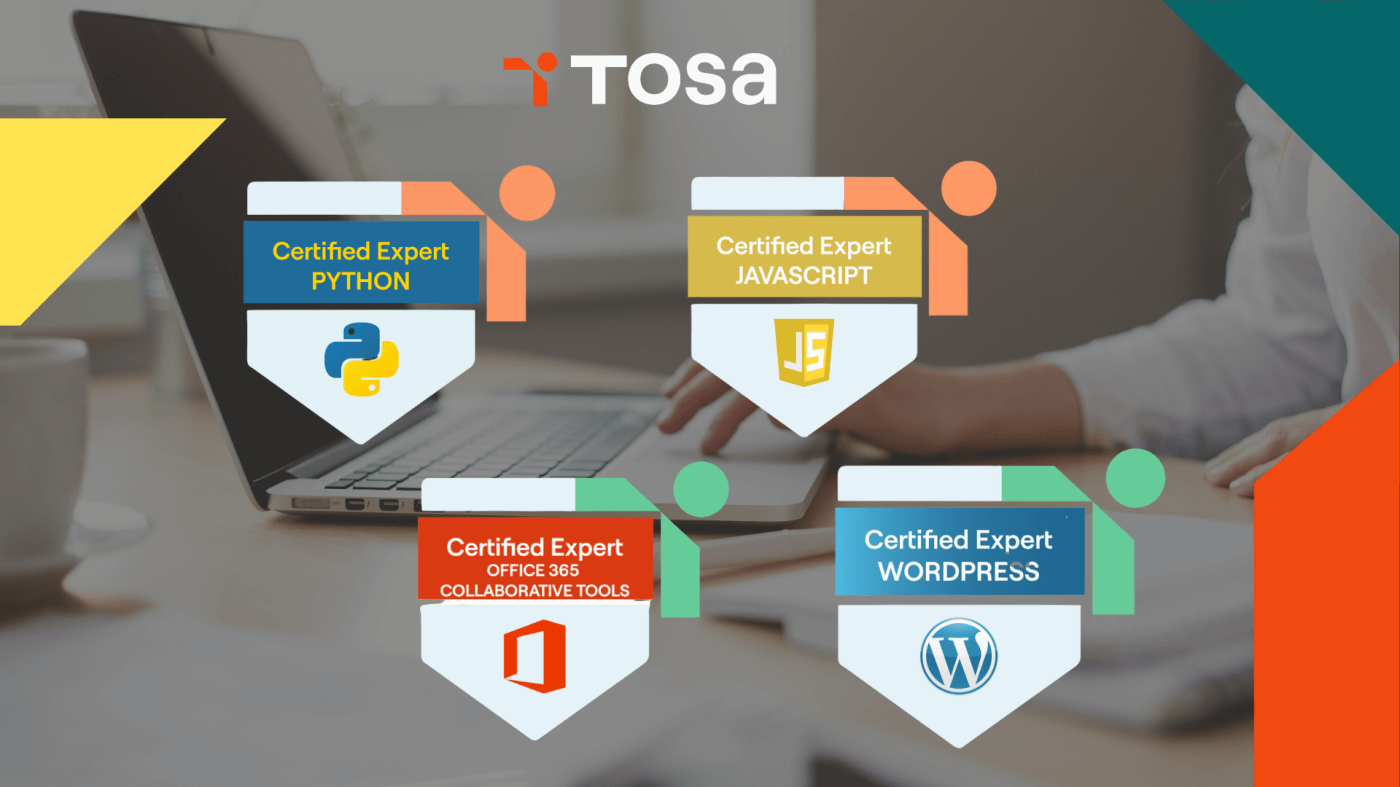
Skills certifications are particularly valuable for students and individuals looking to advance faster in their careers. They provide a focused and rigorous evaluation of competencies, ensuring that professionals stay relevant and adaptable in an increasingly competitive landscape. As a prominent provider of skills certifications, Tosa is renowned for its comprehensive assessment methodology and is recognized industry-wide for rigorous assessment and standardized validation of skills. With a Tosa certification, individuals effectively demonstrate their expertise in technical skills spanning across leading in-demand office automation skills, graphic design applications, DigComp framework, and programming languages.
Microcredentials: Verify Acquisition of Focused Skills
A microcredential certifies the achievement of specific learning in a particular area. Unlike traditional degrees or programs, they offer a narrower focus and shorter time commitment, making them perfect for upskilling or reskilling in targeted areas. This compact and flexible learning approach makes microcredentials suitable for adult learners or those juggling full-time jobs and education. Unique to this type of skills credentialing, microcredentials provide learners the ability to stack their credentials, creating a continuous learning pathway that keeps them at the forefront of their fields.
The rising popularity of microcredentials is evident from their significant increase in enrollment and demand. According to a new study released by UPCEA, employers' demand for microcredentials is steadily increasing. This surge can be traced back to their capacity to confirm the acquisition of specific skills in a flexible and accessible way, coupled with the growing market demand for "unbundled education." Notably, platforms like Coursera have emerged as leaders in the microcredential space, offering a diverse range of courses across various disciplines. Research conducted by Coursera this year found that employers are on average 72% more likely to hire a candidate who has earned a microcredential. This statistic clearly underlines the tangible career benefits that microcredentials can provide.
Certificates to Show Completion of Courses and Programs
Certificates act as evidence of completion for specific courses or education programs. Their significance and relevance, however, can differ widely, as certificates can be issued for anything from a single-day seminar to multi-semester courses. Offered by various educational institutions including public, private, and for-profit ones, certificates necessitate classroom-based learning. These certifications appeal to individuals aiming for entry-level roles or career progression within industries that value practical skills and can also serve as stepping stones toward higher education.
A report by the National Student Research Center revealed that nearly two-thirds of students starting their postsecondary education with certificates later enrolled in further college courses, with a quarter attaining associate degrees, bachelor's degrees, or both. Certificates are typically achieved within a shorter timeframe than traditional academic degrees and, while students must earn a passing grade to receive a certificate, they do not usually need to pass a rigorous, industry-specific exam. Employers view certificates as an indication of a candidate's dedication to professional growth and specialized training, making them a broad asset in today's job market. It's important to note, however, that while certificates are a form of credentialing, they are not equivalent to a degree and do not assure employability within a specific industry.
Finding the Right Credentials for You and Your Path
The growing importance of alternative credentials in today's job market is undeniable, supported by extensive data and research. Skills certifications, such as those offered by Tosa, validate specific competencies and align with the evolving needs of employers. They are an excellent resource for secondary or higher ed students, as well as K-12 learners, looking to demonstrate knowledge when there are gaps in actual work experience.
Microcredentials, exemplified by platforms like Coursera, offer targeted skill acquisition and demonstrate a commitment to continuous learning and growth. They are well suited for full-time workers who want to use their limited free time for more manageable, bite-sized learning experiences.
Certificates, provided by reputable colleges and educational programs, enhance job prospects by showcasing general knowledge and practical skills. Certificates are a good fit for recent graduates or career switchers who need foundational understanding and want to prepare themselves for the general demands of their desired careers.
Aspiring professionals must recognize the value of alternative credentials and choose the pathway that aligns best with their career goals. Embrace the power of alternative credentials to navigate the ever-changing landscape of higher education and continuing education, propelling yourself toward success in your academic and professional journey.